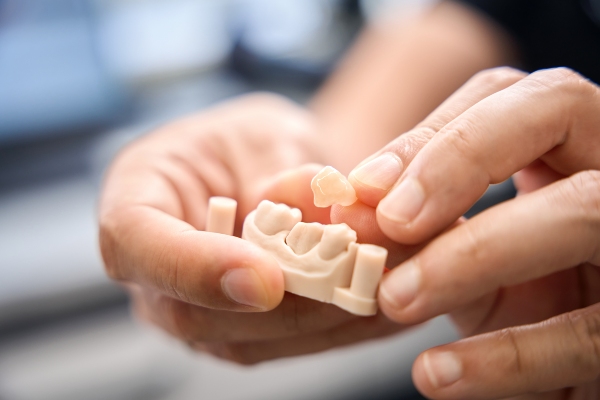
 Dental crowns help protect weak or damaged teeth and restore the shape, strength, and appearance of the tooth. A dentist may recommend a crown after a large filling, root canal, or injury. Since each patient has different needs, there are many types of crowns to choose from.
Porcelain crowns for a natural look
Porcelain crowns are often chosen for front teeth because they look very close to natural enamel. They can be matched to the color of nearby teeth, making them a good choice when appearance is important. These crowns are made completely from ceramic material and are metal-free.
While porcelain crowns look natural, they may not be as strong as other types, especially for teeth that handle a lot of pressure. A dentist may suggest them when the tooth is visible and does not require heavy chewing forces.
Metal crowns for strength and durability
Metal crowns can consist of gold, nickel, or other metal alloys that are very strong and can last many years. They are a good choice for back teeth, where strength matters more than appearance. Metal crowns do not wear down easily and are less likely to chip or break. However, they are more visible and may not be ideal for front teeth. While some patients prefer metal crowns for molars that are not visible when smiling, they must accommodate stronger biting forces.
Porcelain-fused-to-metal crowns for balance
Porcelain-fused-to-metal crowns combine the natural look of porcelain with the strength of metal. These crowns have a metal base covered with a layer of porcelain. They are often an option when both appearance and durability are important. These crowns can still show a dark line near the gums where the metal shows through. A dentist may recommend this type when more support is needed, but the tooth is still partly visible in the smile.
Zirconia crowns for strength and appearance
Zirconia is a newer material that combines strength and a tooth-colored look. These crowns are often a viable option for the front and back teeth. Zirconia crowns are made from strong ceramics and are resistant to wear and cracks. Some zirconia crowns are made with added layers to improve their look. Dentists may choose this option for patients who need a strong crown but also want a natural appearance.
Choosing the right material
The right type of crown depends on the location of the tooth, the amount of pressure it can withstand, and the patient's preference. A dentist will examine the tooth and discuss the options. The goal is to select a crown that not only looks good but also functions well and lasts as long as possible. All dental crowns require proper care to remain in place. Therefore, brushing, flossing, and regular dental visits help keep the crown and surrounding teeth healthy.
Finding the right fit for your smile
Dental crowns can protect teeth and restore function with the right material. Each type of crown offers different benefits, and a dentist can help determine which one fits best. Looking to restore your smile? Find out if dental crowns are right for you.
Request an appointment or call Assembly Dental at 857-300-5779 for an appointment in our Somerville office.
Related Posts
Dental crowns are important in modern dentistry because they protect and support weak or damaged teeth. General dentists often suggest using crowns for damaged teeth that fillings cannot address. Whether due to decay, trauma, or structural issues, crowns help restore the tooth's function and appearance. They also prevent further damage to your smile and oral…
General dentists use dental crowns to restore damaged or weakened teeth, improving their function and appearance. However, the benefits of dental crowns can be compromised by bruxism. Bruxism, the involuntary grinding or clenching of teeth, usually occurs while individuals are asleep but can also affect them while they are awake. This condition can threaten the…
While dental crowns help protect and restore damaged teeth, they can become loose over time. Knowing what to do when this happens can help prevent pain or further damage. A loose crown may feel strange, affect chewing, or even fall out. However, acting quickly and visiting a general dentist can help fix the problem before…