CEREC® Crowns vs. Traditional
Thanks to advances in technology, CEREC® crowns are available to treat various dental conditions. You should not have to live with tooth pain or embarrassing cosmetic issues. Crowns have been around for centuries to provide relief. If you are ready to do something about your oral health problems, it is helpful to compare traditional crowns and CEREC options.
Why people get crowns
Whether from injury or poor dental habits, teeth can suffer damage. Crowns are an effective way to repair issues or to keep problems from escalating. People often have this treatment to keep cracked teeth from breaking apart. In this case, the crown supports the tooth and prevent further damage. This restorative care is always a good way to seal a tooth that had severe tooth decay. Crowns are also useful for cosmetic reasons. They can cover blemishes, such as discoloration or chips.
The process
Before getting CEREC crowns or the traditional variety, the dentist will examine the patient’s teeth and mouth. The patient and dentist will discuss whether this treatment makes sense. With traditional crowns, the dentist then takes X-rays and makes impressions. A technician takes these and makes a porcelain or ceramic crown at a lab, where the crown should be ready in two or three weeks. At the next visit, the dentist shaves part of the tooth so the crown will fit. The crown is then cemented into place.
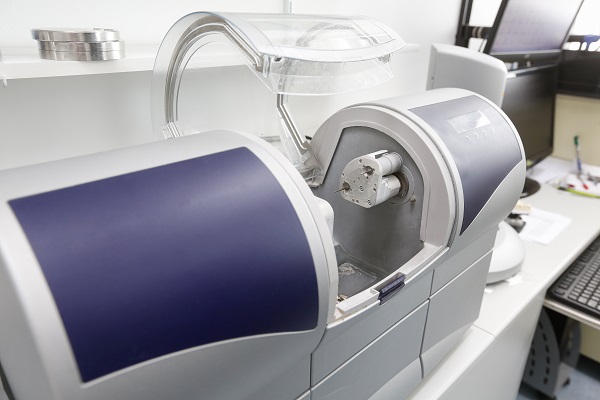
With CEREC® crowns, the process is much faster. There is no need to wait a few weeks or go into the office multiple times. Using computer technology, the dentist makes digital impressions. This information goes into a system that makes the crown in the office while the patient waits.
Doing away with temporary crowns
Because there is a waiting period with traditional crowns, most dentists will place a temporary cap on the damaged tooth. Made of resin, the temporary crown can be uncomfortable and difficult to get used to. With CEREC crowns, this temporary cap is unnecessary because the patient gets the permanent crown during the first appointment.
The material
CEREC® crowns are made from a ceramic block. There are benefits of using this material, but it is not as strong as other options. Traditional crowns, conversely, may come in either ceramic, porcelain, metal or porcelain fused to metal. The latter is the most durable of the bunch.
The appearance
Traditional crowns and CEREC crowns both offer the patient a natural-looking solution. It will be virtually impossible to tell whether a person has a CEREC cap. When the patient gets a porcelain or ceramic traditional crown, it will look just like the surrounding teeth as well. The dentist can choose the right color shade to enhance the patient’s smile.
Choose wisely between CEREC® crowns and traditional ones
Study how both traditional and CEREC crowns work. There are differences and similarities with these treatments, so talk to your dentist to decide which is right for your needs. Stop living with painful conditions or challenging cosmetic flaws. Take control of your looks and health by getting a crown today.
Request an appointment here: https://somervilledentist.com/ or call Assembly Dental at (857) 300-5779 for an appointment in our Somerville office.
Check out what others are saying about our services on Yelp: Read our Yelp reviews.
Related Posts
Professional teeth whitening is a great way to brighten your smile after stains develop. If you are not sure if professional teeth whitening is right for you, then you can learn more about it through a consultation with a dentist. The following are five questions to ask your dentist before teeth whitening.Professional, in-office teeth whitening…
Teeth whitening treatments get you whiter teeth in as little as 60 minutes. These treatments are performed under the supervision of a dentist, and the American Academy for Cosmetic Dentistry states a treatment session can improve the color of a person’s teeth by up to eight shades.Over-the-counter teeth whitening alternatives typically provide a cheaper alternative,…
Minor to moderate teeth stains can be removed with professional teeth whitening. However, to achieve ideal results, there are certain things to avoid after treatment, such as foods and drinks that can cause stains. The following overview discusses five things you should avoid to keep your smile bright after teeth whitening treatment.You can reduce the…
Choosing clear braces provides an excellent orthodontic solution for reliable tooth movement without the appearance of traditional metal brackets. While clear aligners remain a popular and effective option, certain dental conditions make clear braces the more effective choice. Understanding these differences can help you determine which treatment offers the best possible outcome for your unique…