LANAP Laser Treatment: What You Need to Know
LANAP laser treatment is a modern alternative to traditional periodontal surgery for moderate to advanced gum disease. It uses laser technology that allows dental professionals to make precise movements while preserving the surrounding tissues. The following guide walks you through how the procedure works, its potential benefits, and what to expect from the aftercare process.
The dangers of periodontal disease
Periodontal disease is a chronic inflammatory condition that affects the gums and the supporting structures of the teeth. It typically begins as gingivitis, marked by redness, swelling, and occasional bleeding. When left untreated, this condition may progress to periodontitis. As the disease advances, bacterial infection can damage connective tissue and bone, potentially leading to loose teeth or tooth loss.
Traditional treatment methods have long focused on the dentist manually removing bacteria and diseased tissue from along and below the gum line. However, advances in dental technology have expanded the range of therapeutic options. These involve laser-based approaches that target infection while preserving healthy structures.
What is LANAP laser treatment?
Laser-Assisted New Attachment Procedure (LANAP) is a minimally invasive protocol that uses a specialized dental laser to remove diseased gum tissue and bacteria from periodontal pockets selectively. Unlike conventional surgical techniques that rely on scalpels and sutures, this method is designed to distinguish between infected and healthy tissue. The laser energy helps reduce bacterial load and stimulates a biological response that supports tissue regeneration. The procedure follows a specific, FDA-cleared protocol intended to promote reattachment of gums to teeth and encourage bone stability.
Ideal candidates for LANAP laser treatment
LANAP laser treatment is a versatile and effective therapy for many individuals. However, several factors make someone an ideal candidate for the procedure, such as:
- Diagnosis of moderate to severe periodontal disease
- Desire to avoid traditional gum surgery
- Medical conditions (e.g., diabetes, heart conditions, or compromised immune systems)
- Noticeable gum recession
- Increased tooth sensitivity
The dentist will determine each patient's suitability for LANAP laser treatment through a thorough examination, imaging analysis, and medical history review. A comprehensive assessment ensures that LANAP aligns with the patient's unique needs and long-term health goals.
The benefits of LANAP
Several potential benefits of LANAP laser treatment compared to traditional periodontal surgery include: For example, the minimally invasive nature of the procedure reduces trauma to the surrounding tissue, leading to less postoperative discomfort and swelling. It also preserves more of the gums and avoids extensive tissue removal when clearing the bacteria from the peridontal pockets.
However, it is important to note that outcomes depend on the severity of the gum disease, the patient's overall oral health, and commitment to professional maintenance schedules. LANAP laser treatment is typically considered part of a comprehensive periodontal care plan rather than a standalone solution.
How the procedure works
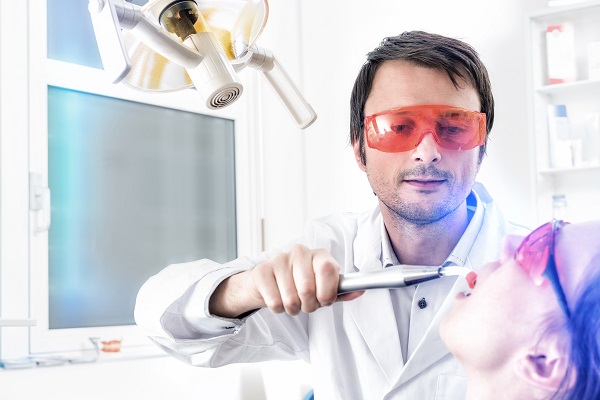
During the procedure, the dentist will direct a small amount of laser light through a tiny fiber from the gum to the tooth into the periodontal pocket. This energy removes a small amount of diseased tissue and reduces the bacteria associated with gum disease. The dentist will also use an ultrasonic scaler and other dental instruments to remove tartar from the root surface of the tooth.
A second pass of the laser helps form a stable blood clot that seals the pocket. This clot acts as a protective barrier, limiting bacterial reentry. After thoroughly cleaning the affected area, the patient's body can naturally heal the gum tissue. Depending on the severity of the disease, the treatment may be completed in one or more visits. For patients who need their entire mouth done, LANAP laser treatment is typically completed in two separate 2-hour visits.
Recovery and aftercare
Recovery after LANAP laser treatment is usually straightforward. Some mild soreness and throbbing in the treated areas are normal for the first couple of days. The tissue around the teeth may appear discolored, and the patient's bite may feel slightly different as the teeth adapt. Additionally, the patient will need to avoid brushing and flossing for the first 10 days after treatment. They will need to follow a liquid or soft-foods diet.
As the gum tissue heals, the teeth will shift andneed to be adjusted over the following months. In some cases, the dentist may need to apply splints to stabilize and immobilize the teeth. The patient will likely need to have their teeth professionally cleaned every three months — more than the average six — for the first year after LANAP laser treatment to ensure their gums are healing properly.
Schedule a consultation at our Somerville office
LANAP laser treatment is a significant development in periodontal therapy, offering a minimally invasive approach to treating gum disease. Do you have questions for the Assembly Dental team? Call our Somerville office to learn more about LANAP or to schedule a consultation.
Request an appointment here: https://somervilledentist.com/ or call Assembly Dental at (857) 300-5779 for an appointment in our Somerville office.
Check out what others are saying about our dental services on Yelp: LANAP in Somerville, MA.
Related Posts
Choosing dental veneers offers a reliable path toward a smile that feels more confident and looks entirely natural. While many people opt for over-the-counter (OTC) whitening or minor bonding, these options often fall short when addressing deep stains or uneven tooth shapes. Visiting a general dentist can help you understand how these thin shells work…
Professional teeth whitening is a great way to brighten your smile after stains develop. If you are not sure if professional teeth whitening is right for you, then you can learn more about it through a consultation with a dentist. The following are five questions to ask your dentist before teeth whitening.Professional, in-office teeth whitening…
Teeth whitening treatments get you whiter teeth in as little as 60 minutes. These treatments are performed under the supervision of a dentist, and the American Academy for Cosmetic Dentistry states a treatment session can improve the color of a person’s teeth by up to eight shades.Over-the-counter teeth whitening alternatives typically provide a cheaper alternative,…
Minor to moderate teeth stains can be removed with professional teeth whitening. However, to achieve ideal results, there are certain things to avoid after treatment, such as foods and drinks that can cause stains. The following overview discusses five things you should avoid to keep your smile bright after teeth whitening treatment.You can reduce the…